






Working from home offers flexibility and comfort, but without a well-organized workspace, staying productive can be challenging. A cluttered or distracting environment can reduce focus and increase stress. Fortunately, organizing a productive home workspace doesn’t have to be complicated or expensive. With a few simple strategies, you can create a pleasant, efficient area that helps you get things done. Here are some helpful tips to get started.
Choose the Right Spot for Your Workspace
Finding the ideal location in your home is the first step. Consider these factors when selecting your workspace:
– Natural light: Place your desk near a window if possible. Natural light improves mood and alertness.
– Quiet environment: Avoid noisy areas like the kitchen or main living rooms. If that’s not possible, consider noise-cancelling headphones.
– Space availability: Ensure you have enough room for your desk, chair, and essential tools without feeling cramped.
– Minimal distractions: Choose a spot away from TV screens or busy household activity.
Invest in Comfortable and Functional Furniture
Comfort directly impacts productivity. Here’s what to focus on:
– Ergonomic chair: A supportive chair reduces strain on your back and neck during long work hours.
– Desk size: Choose a desk large enough to fit your computer, notebooks, and other necessary items neatly.
– Adjustable options: Consider height-adjustable desks or monitor stands to maintain good posture.
– Storage solutions: Desks with drawers or shelves help keep supplies within reach and reduce clutter.
Keep Your Workspace Clutter-Free
Clutter can cause distraction and stress. Follow these tips to maintain a tidy area:
– Regular decluttering: Spend a few minutes at the end of each day organizing papers and tools.
– Use organizers: Desk trays, pen holders, and cable organizers keep items orderly.
– Limit personal items: While a few personal touches are nice, avoid overcrowding your workspace.
– Digital declutter: Maintain an orderly computer desktop and organize files into folders for quick access.
Establish Good Lighting
Proper lighting reduces eye strain and keeps you alert:
– Combine natural and artificial light: Use a good desk lamp in addition to natural light.
– Avoid glare: Position screens perpendicular to windows to prevent glare.
– Choose warm or neutral lighting: Soft white bulbs create a comfortable atmosphere.
Create Zones for Different Tasks
If your workspace allows, designate specific areas for different kinds of work:
– Computer work: A clear space focused on your laptop or desktop.
– Writing or brainstorming: A spot for notepads, whiteboards, or sticky notes.
– Storage: Shelving or filing cabinets for easy access to documents.
Segmentation helps your brain switch tasks efficiently and reduces mental clutter.
Incorporate Plants and Personal Touches
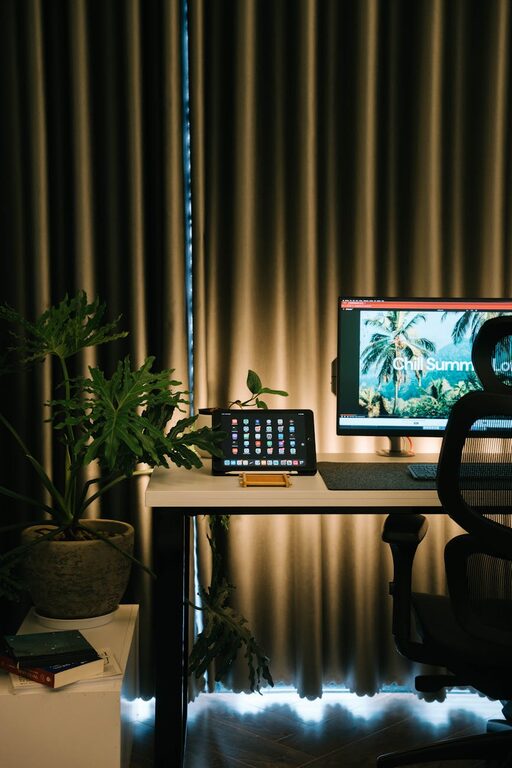
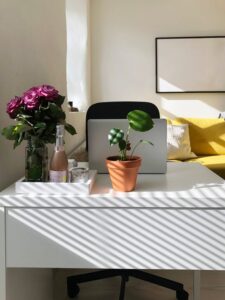
Adding greenery can improve air quality and make your space more inviting:
– Easy-care plants: Succulents or spider plants require minimal upkeep.
– Personal decor: Photos, art prints, or motivational quotes can boost mood when kept balanced.
– Avoid too many distractions in this area—keep decor simple and calming.
Manage Technology and Cables
Technology is essential but can create mess:
– Wireless options: Use wireless keyboards, mice, or printers to reduce cables.
– Cable management: Velcro ties or cable clips keep wires neat and prevent tangling.
– Charging station: Designate a spot for charging phones or tablets to avoid clutter.
Set Boundaries and Maintain Routine
An organized workspace is part of a productive mindset:
– Defined work hours: Commit to regular start and end times for your workday.
– Break reminders: Use timers or apps to take short breaks and avoid burnout.
– End-of-day routine: Clear your desk and prepare for the next day to separate work from personal time.
Regularly Reassess Your Space
What works today might not work tomorrow. Make it a habit to:
– Review your setup monthly.
– Adjust furniture or layout based on your needs.
– Replace worn or uncomfortable items.
– Add organizational tools as needed.
—
Organizing a productive home workspace is about creating an environment that supports focus, comfort, and efficiency. By choosing the right location, investing in ergonomic furniture, keeping things tidy, and managing distractions, you’ll set yourself up for successful workdays. Remember, a little effort in organizing shows big returns in your productivity and well-being. Happy organizing!